01 / 5 Sculpt
Digital sculpture
The character is sculpted for the role it has to play.
A real, physical autonomous animatronic head.
Not a screen, not an avatar. It holds a conversation on its own, with facial expression and animation synchronized to its own speech. Sculpted, cast and designed from scratch, and run by proprietary control software covering everything from calibration to show management.
Humanoid robotics has gone a long way on locomotion and manipulation and left the face alone. The best-known platforms wear a blank visor. Viriato starts at the other end. It starts with a face.
The character is sculpted for the role it has to play.
Parts are designed and then fabricated.
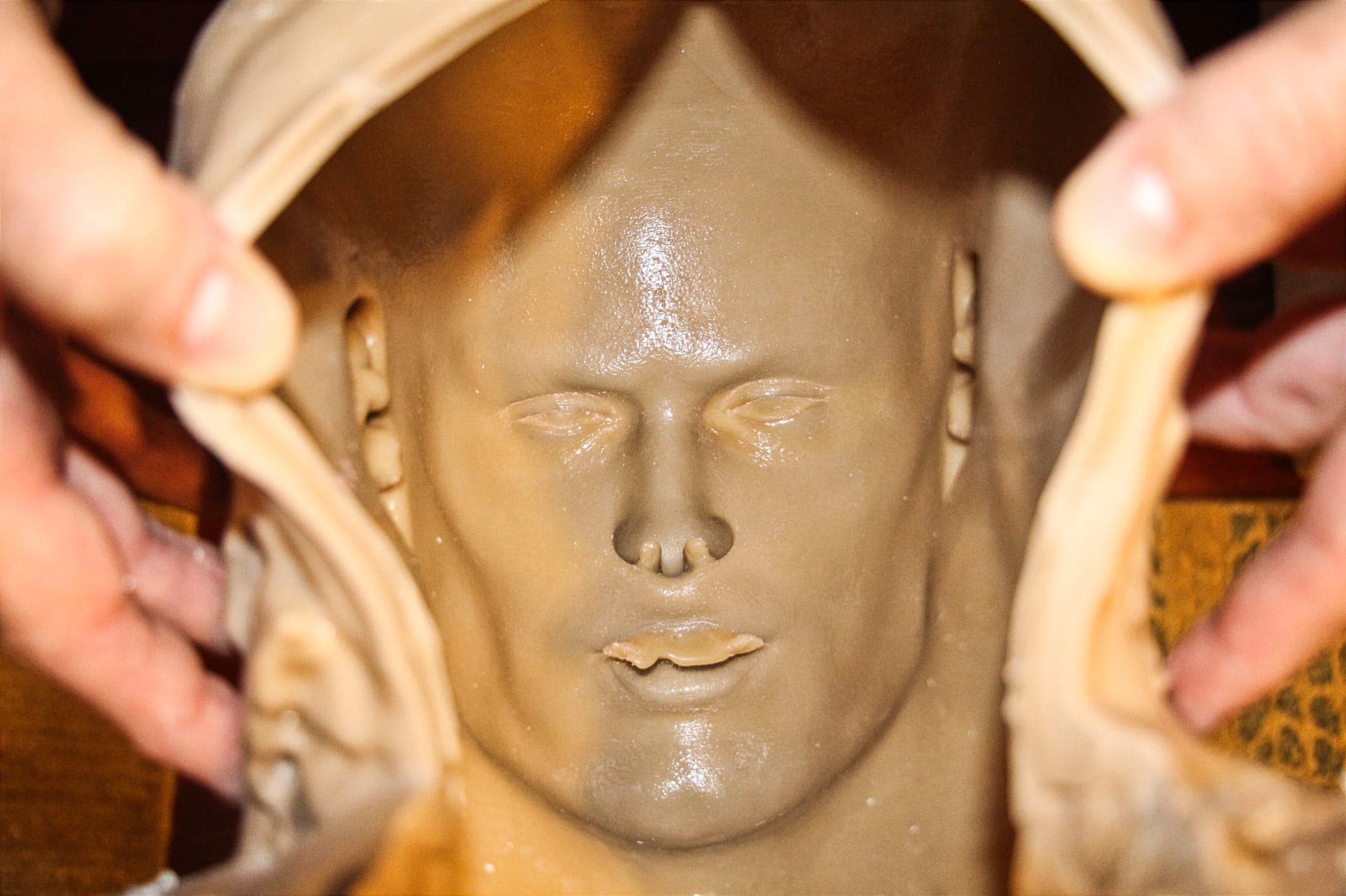
Molded in industrial-grade materials.
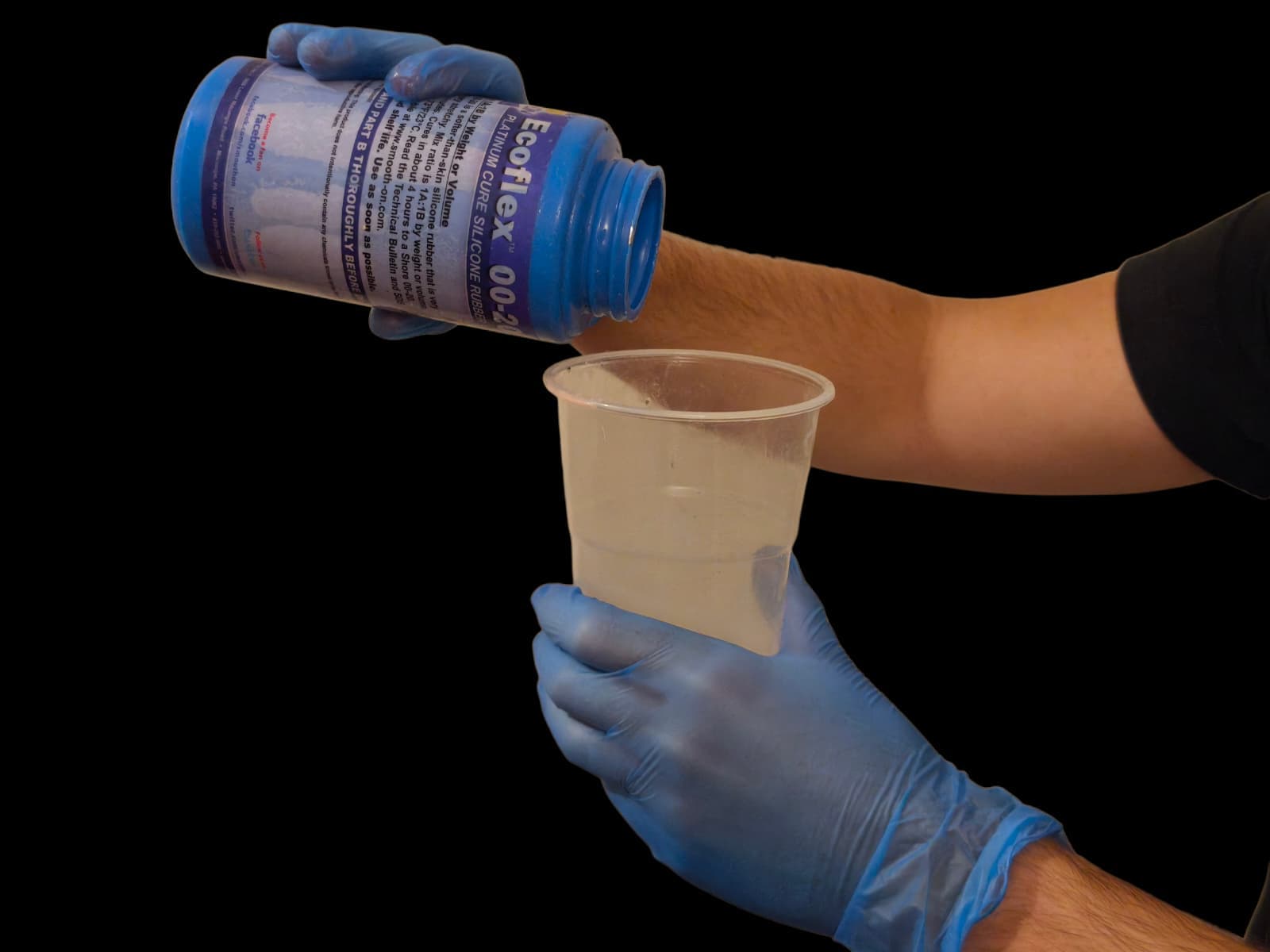
Cast in SFX-grade silicone, to our own mixes and techniques.
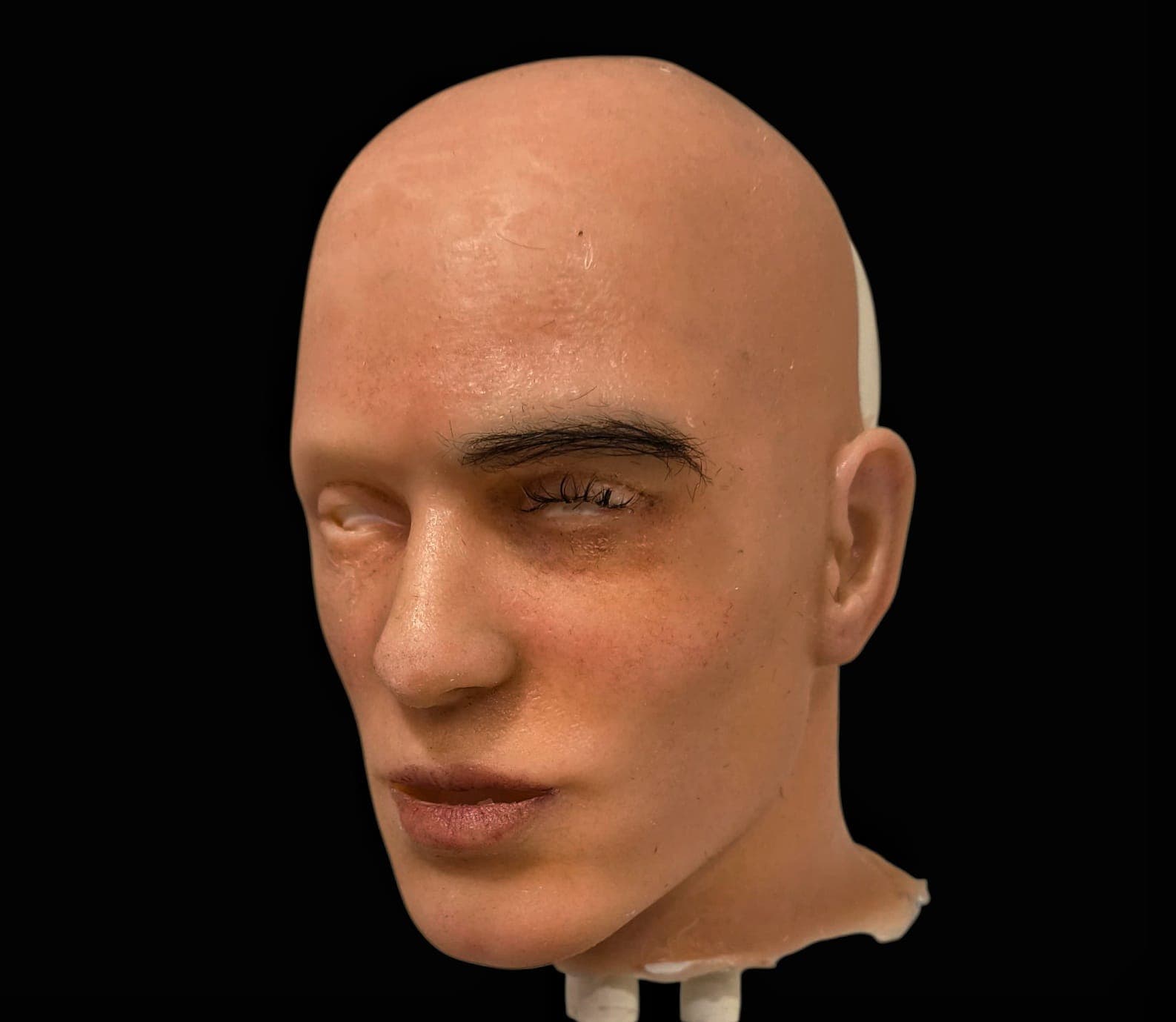
Painting and hair punching do the detailing that brings it to life.
Nothing here was recorded or animated by hand, and there is no operator driving the robot. He is answering a question: why he thinks humans make robots.
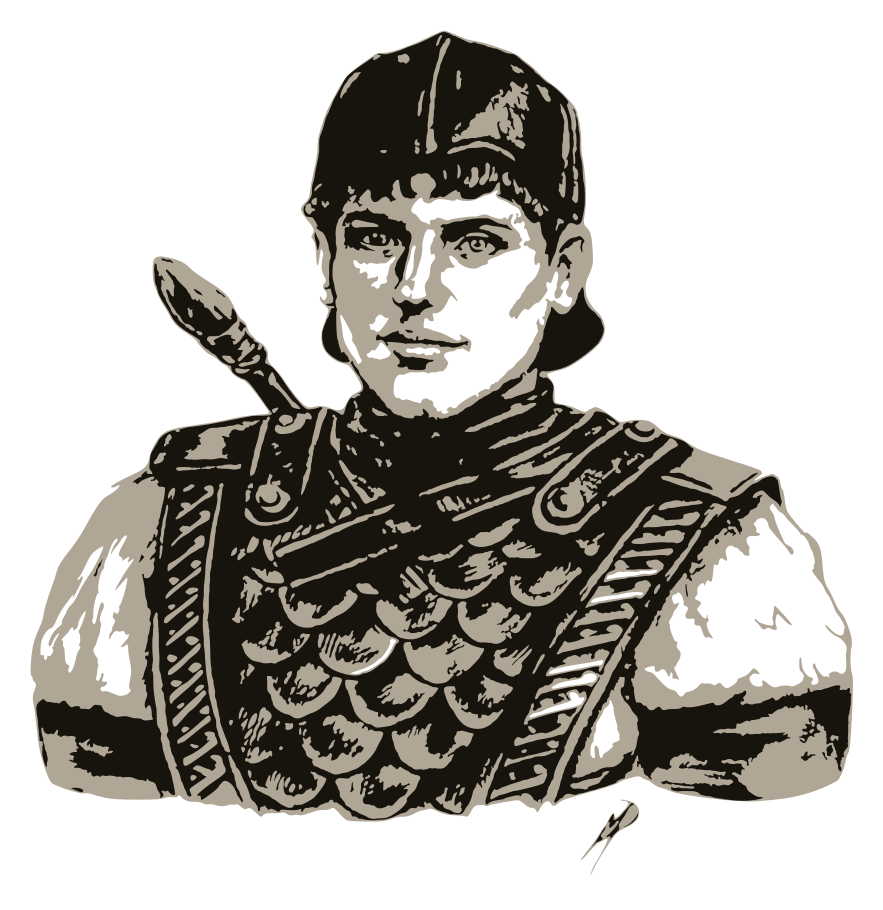
Hand-drawn illustration of Viriato, vectorized.
In conversation he does all of this on his own. No operator, no script, no human in the loop.
Same voice, same noise. The only variable was the face.
| Condition | Words recognized |
|---|---|
| Audio only | 45.5% |
| With Viriato's face | 59% |
Twenty participants, counterbalanced. Fifteen of twenty scored higher with the face. CID W-22 lists.
The face is not just a surface. It is part of how speech is understood.
Any character. Any role. Never off duty.
One platform, configured to a different face, voice, personality and script for each venue, rather than a new robot designed from nothing every time.
Characters that stay in role, respond in the moment, and never repeat the same take twice.
Historical and scientific figures that answer visitors directly, in their own voice.
Interaction that explains itself, and demonstrates the technology it is built from.
A brand's own character on the shop floor, talking to customers directly.
A stand that answers questions all day, in the brand's own voice.
Repeatable, patient, non-judgmental interaction, and visible speech that measurably aids comprehension. A longer horizon: it needs clinical validation we have not done.
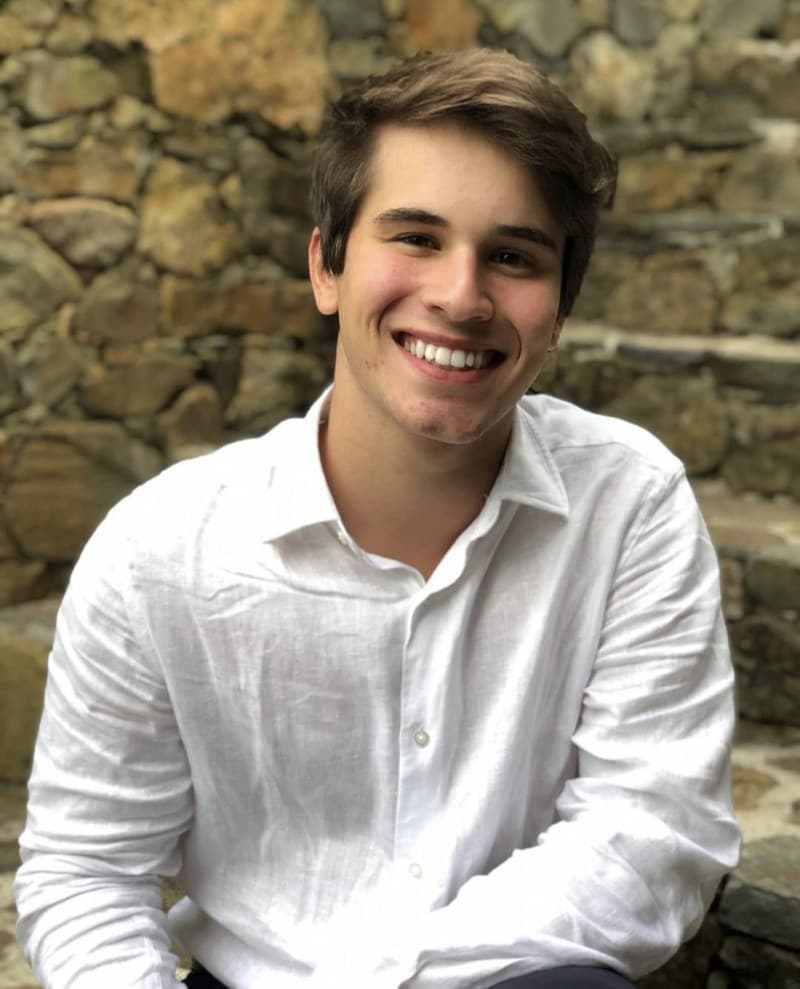
It started with the animatronic figures Miguel was taken to see as a child, and the imagined worlds his grandparents told him about at bedtime.
That early fascination became a mission. By high school, Miguel was already building his first robots, driven by a singular goal: bringing those imagined worlds to life. Years of hands-on experimentation and engineering study ultimately culminated in his master's thesis.
The result is Viriato.
Viriato is the work of one person: from the mechanisms, to the electronics, sculpture, mold making and silicone casting and finishing, software development.